Hello everyone. This is Kotaro Seto from the communications team at Creative ASUWA.
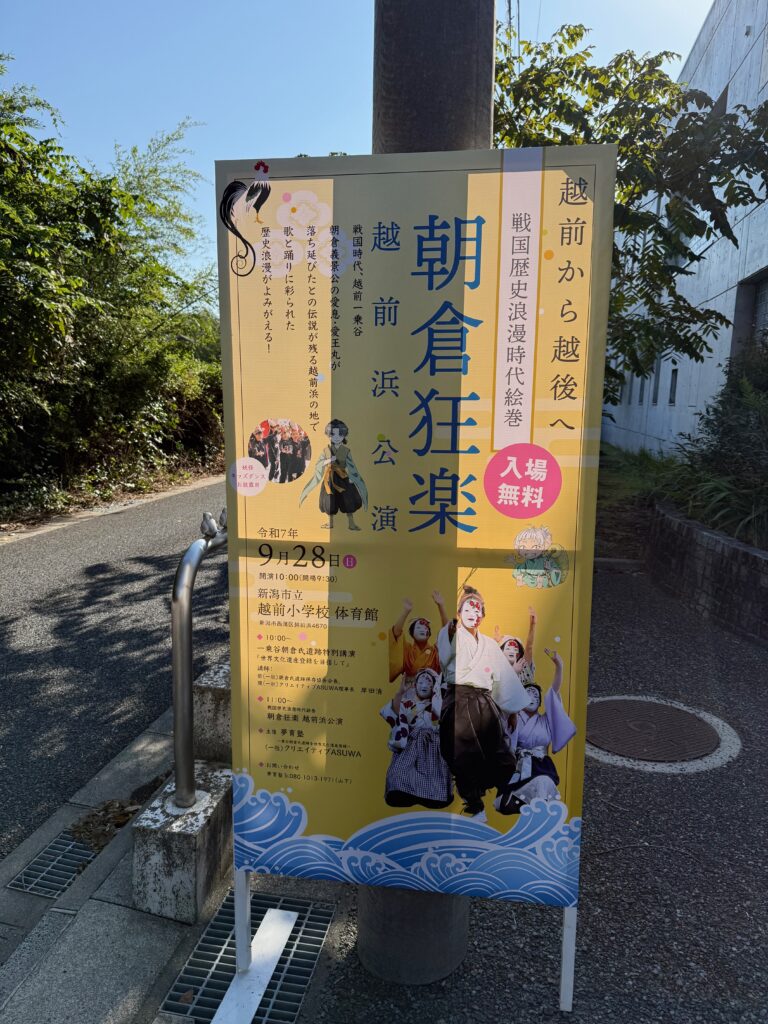
On 28 September 2025 we staged a performance of Asakura Kyogaku — which gives voice to the lost culture of the Asakura family through contemporary music — in the gymnasium of Echizenhama Elementary School in Nishikan-ku, Niigata City, Niigata Prefecture.
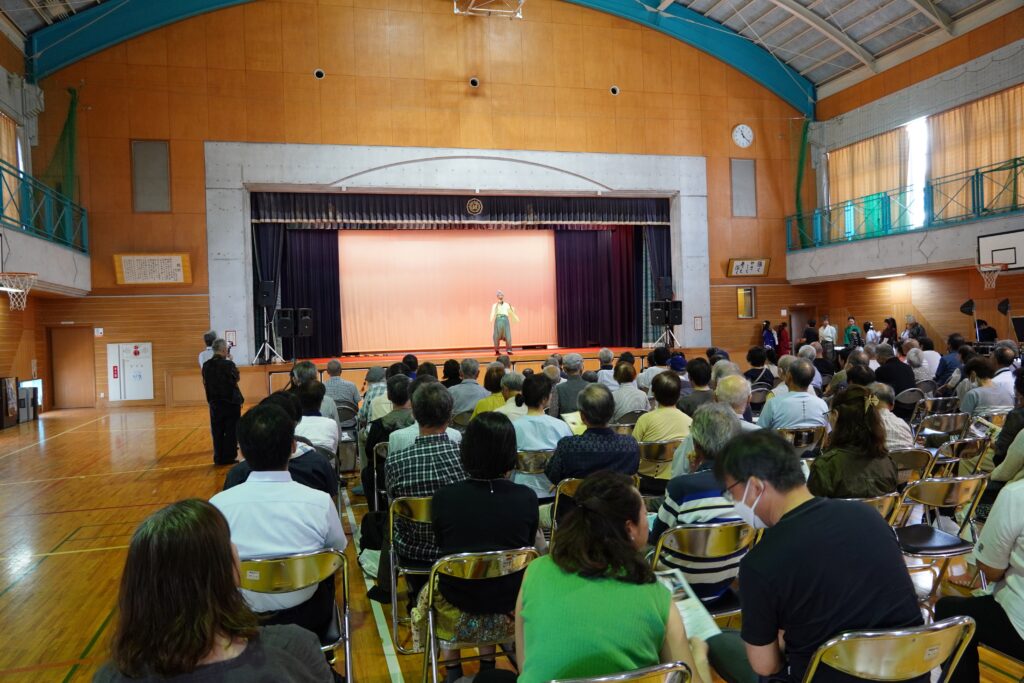
The performance was conceived as part of our work towards World Heritage inscription for the Ichijodani Asakura Family Historic Ruins in Fukui Prefecture, and it was the first we had ever held outside the prefecture.
It was a real pleasure to be able to bring the history of the Asakura family to the people of Niigata through an event that revives the romance of the Sengoku period in music and dance.
Here is the story behind the performance, and how the day itself unfolded.
Why Echizenhama, in Niigata?

Asakura Kyogaku has been performed several times within Fukui Prefecture, but this was our first venture into Niigata.
Why choose Echizenhama, so far from home?
The answer lies in a local legend about Aiomaru, the beloved son of Asakura Yoshikage.
The historical record has it that Aiomaru, Asakura Yoshikage’s heir and then just five years old, was put to death at Imajo in Fukui Prefecture while being escorted to Kyoto after the fall of the Asakura family in 1573.
At Echizenhama in Nishikan-ku, Niigata City — formerly known as Kakudahama — however, a rather different story has been handed down.
It runs like this: the Asakura retainers put a substitute child in Aiomaru’s place, spirited the real boy away and sent him fleeing across the Sea of Japan by boat. After several days adrift, guided by the crowing of a cockerel, they came ashore at Echizenhama, where the boy and twenty-eight retainers founded a settlement — and so the Asakura bloodline was preserved.
The legend is bound up with the founding of Saiyuji Temple at Echizenhama and with the cockerel guardian deity of Torigo Shinmei Shrine, and it is treasured locally as a root of the community’s culture.
Kazumi Miyanaga, curator at the Fukui Prefectural Ichijodani Asakura Family Historic Ruins Museum, comments on such traditions of surviving descendants:
“There are other legends in which Aiomaru survives, and they never go beyond legend. What can be said for certain is that they express a connection with Echizen.”
Fukui Shimbun, morning edition, 29 September 2025
Drawing on ties of exactly this kind, and with the generous help of the people of Echizenhama, we were able to bring the performance about. These are connections we hope to keep alive for years to come.
How the day unfolded
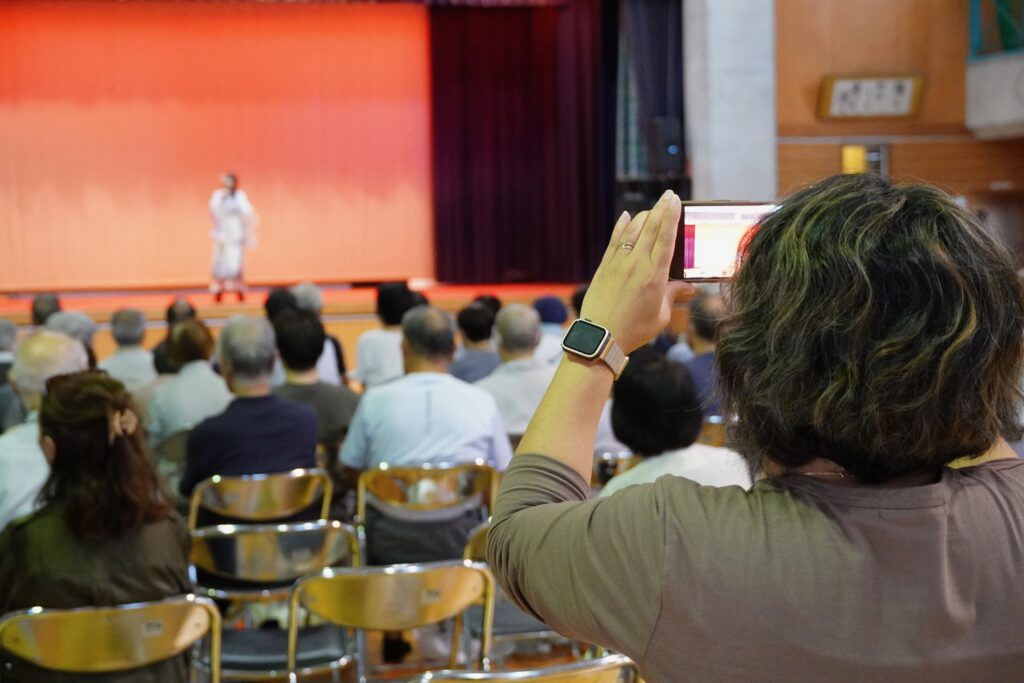
The performance was due to begin at 10 o’clock in the morning, but visitors began arriving from around nine — a full hour early — and by half past nine every seat was taken. Extra chairs were hurriedly brought in, and in the end around 200 people came, more than we had anticipated. That warmth of response was enormously encouraging for us as organisers.
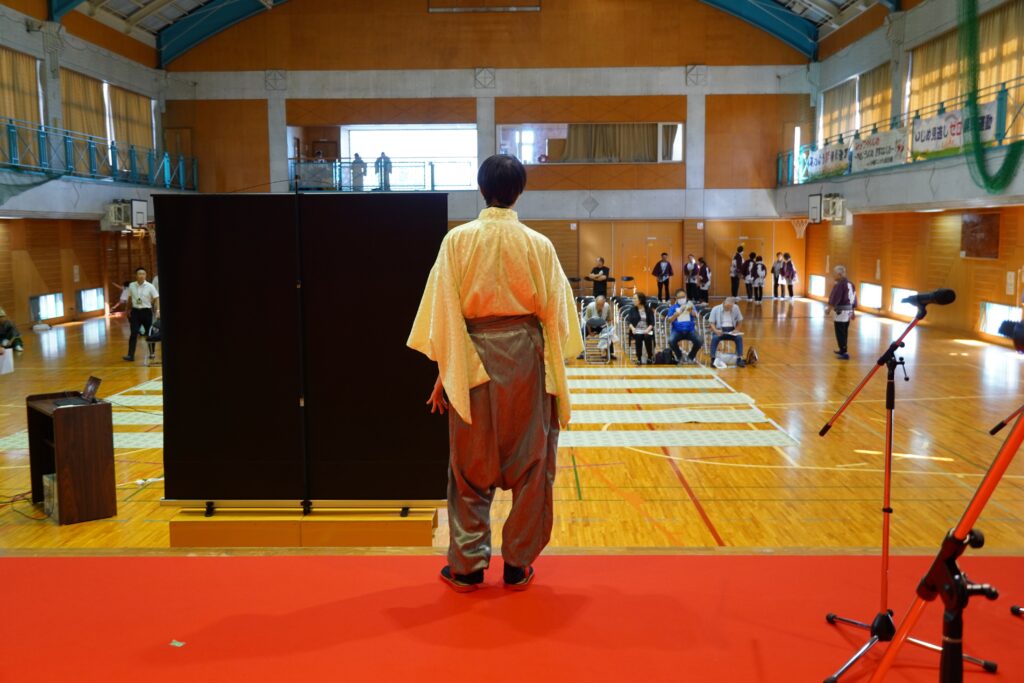
Proceedings opened at half past nine with a screening of a video promoting the Ichijodani Asakura Family Historic Ruins, giving the audience a chance to learn about the history of the Asakura family and the highlights of the site.
The video we showed is below.
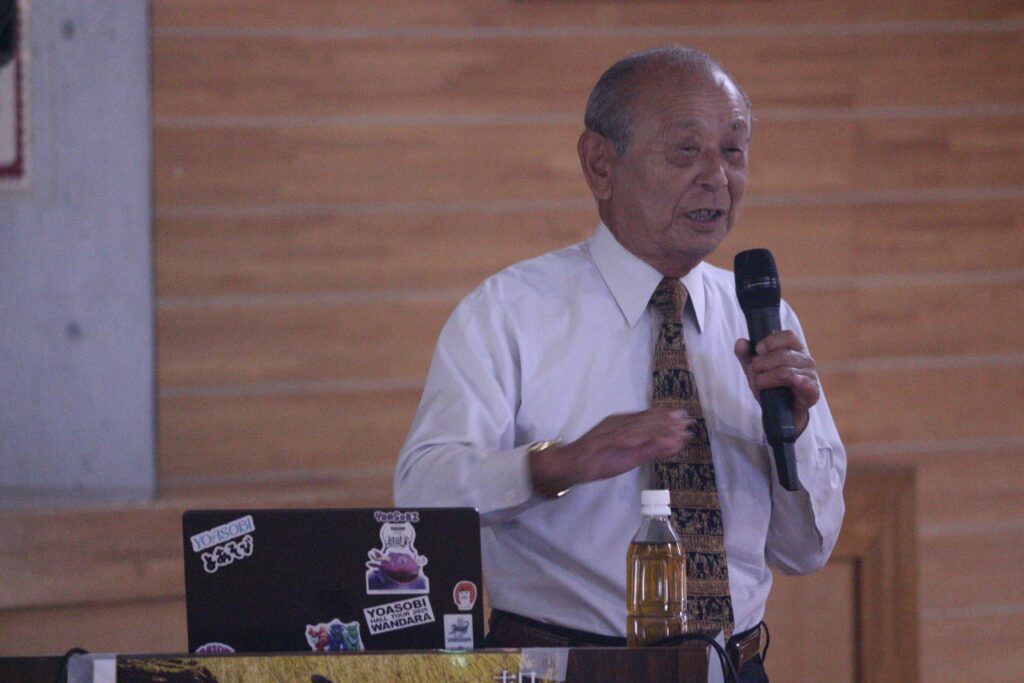
At ten o’clock, our chairman Kiyoshi Kishida gave a talk. He introduced Ichijodani and its legendary links with Echizenhama, sharing the appeal of the valley with the people of Niigata and offering them a chance to rediscover the history on their own doorstep.
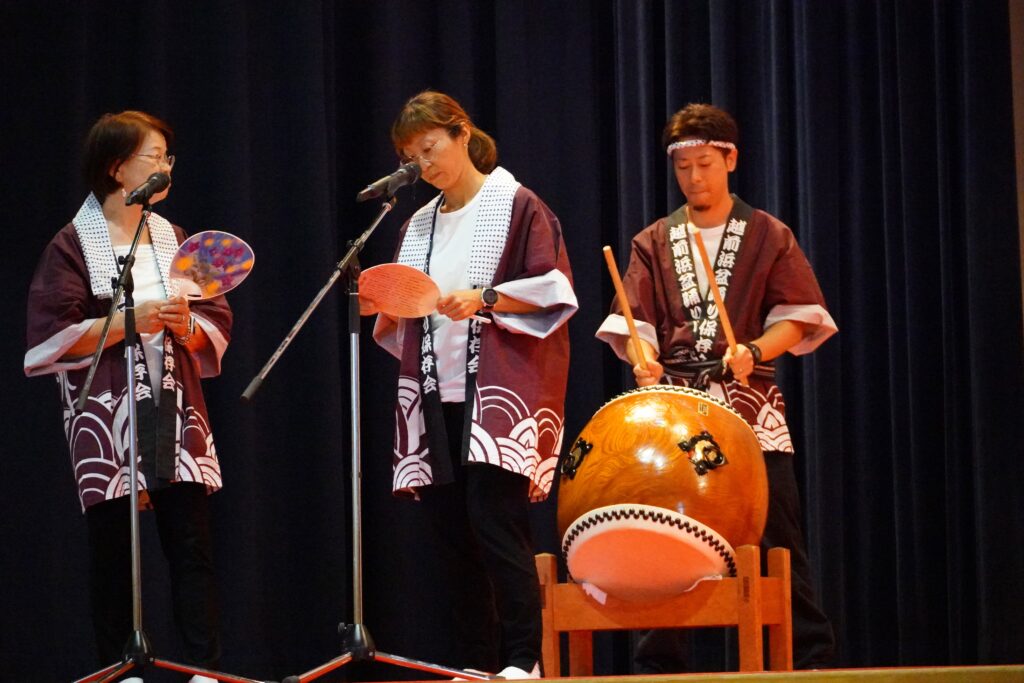
Asakura Kyogaku itself began at eleven. The curtain rose with the Echizenhama bon dance, performed by local residents. This traditional Niigata dance set a warm and friendly tone, with the performers who had travelled from Fukui joining in.

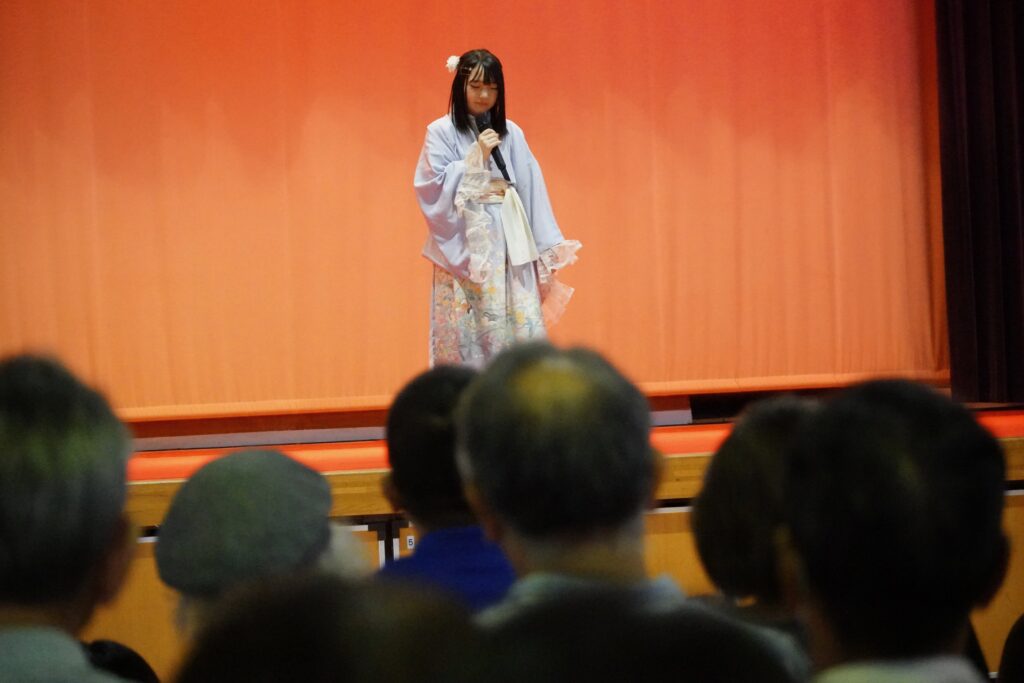
Guided by our castle-town history navigator, Rina and Cocona then performed the original song Appare Itozakura. The dreamlike dance of the Asakura Mugentai troupe joined them, and the hall came thoroughly to life.
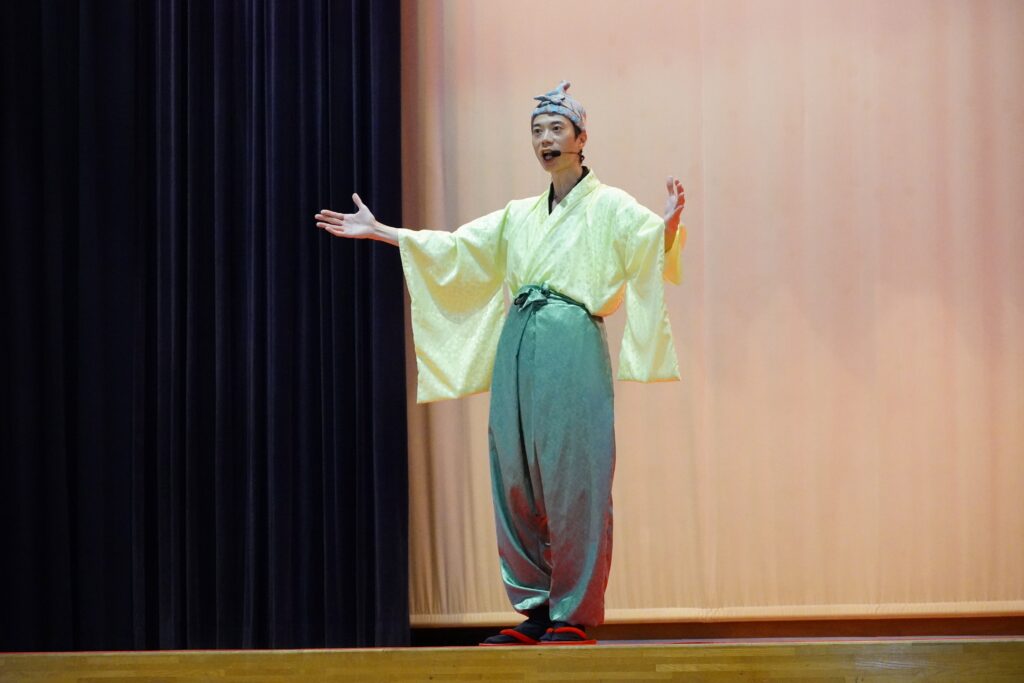
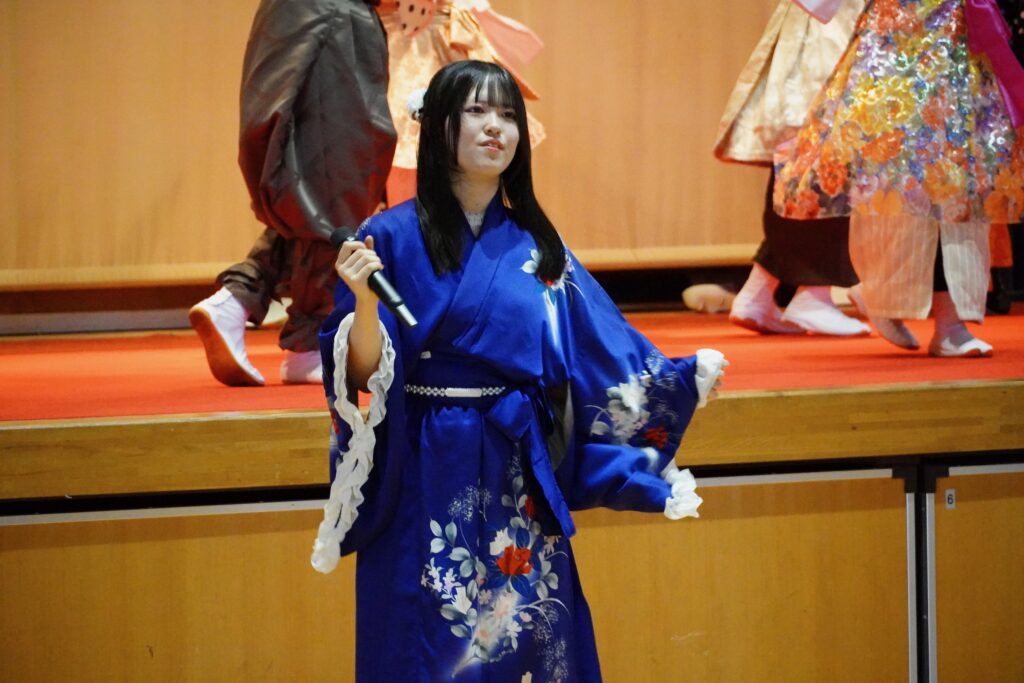
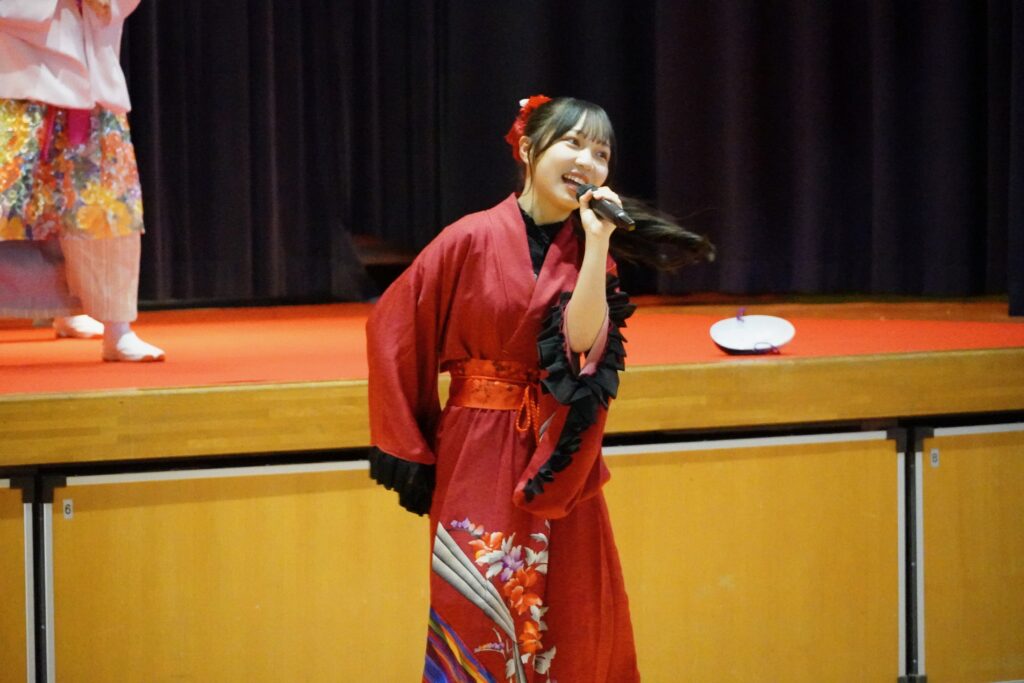

Yokai Ondo followed, performed by LEGEnD OF YOU and joined by children from Echizenhama. Children from Fukui and Niigata mixed together, in a scene that spoke of connections reaching across the generations.
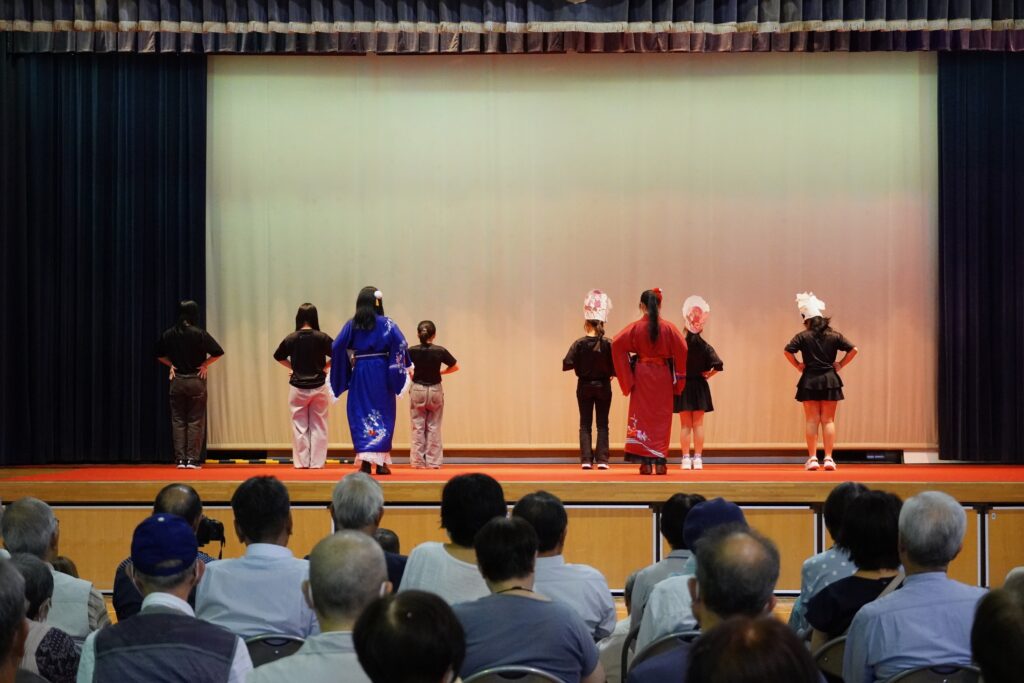
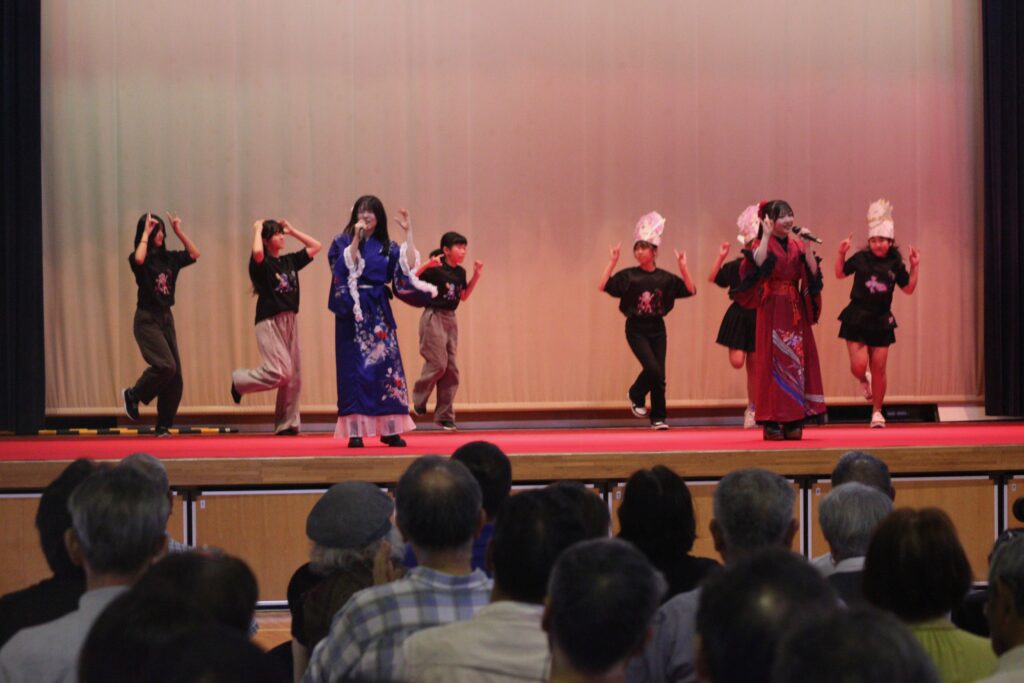
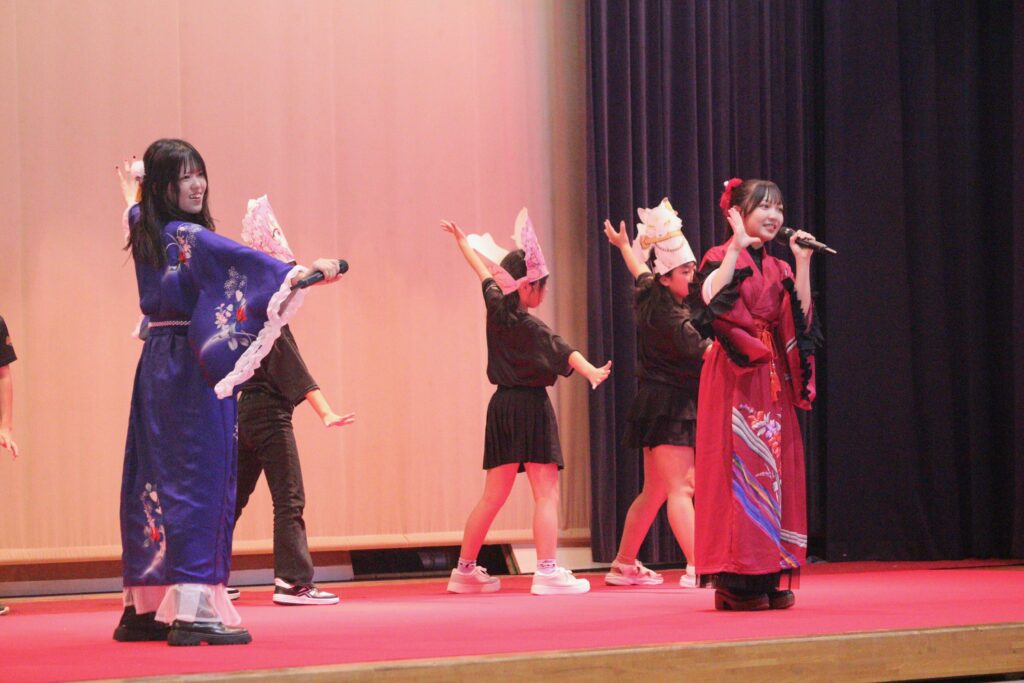
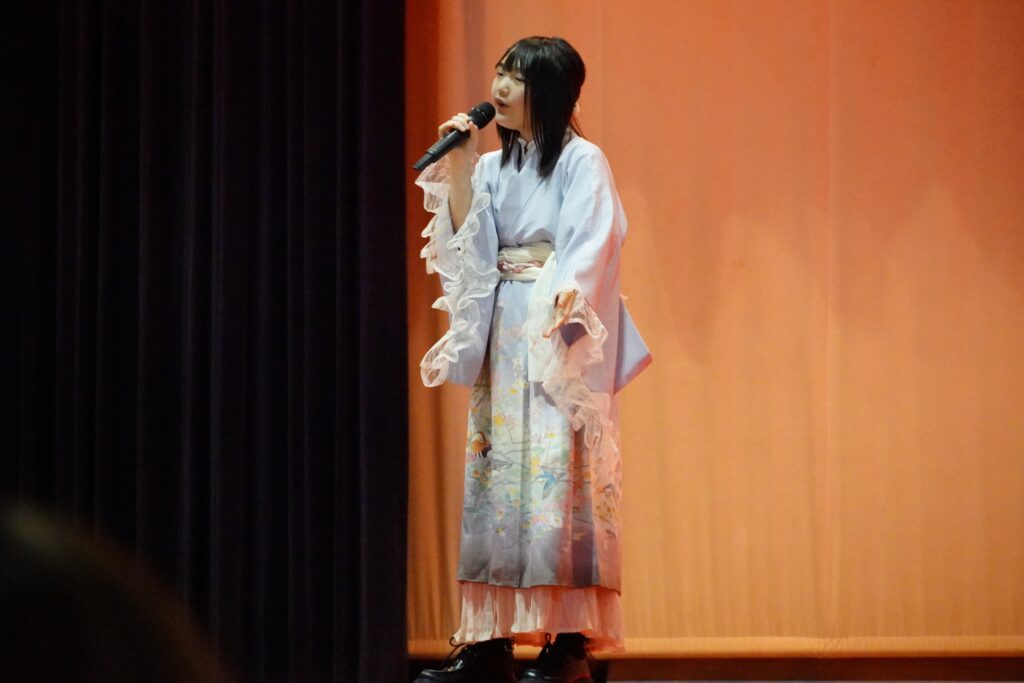
The finale was The Story of Aiomaru, based on the Echizenhama legend. After the high spirits of the earlier numbers, the mood shifted completely: the hall fell silent at lyrics that trace Aiomaru’s feelings, and when the song ended the applause went on and on. It reminded us once again how powerfully music can bring history close.

What the audience said, and our own reflections
Afterwards, local people offered a great many kind words: “It was wonderful — it makes me want to visit the Ichijodani Asakura Family Historic Ruins”, and “I had no idea our local legend was quite so dramatic”.

I spent two days at Echizenhama myself, as a member of staff, counting the preparations — and the warmth of the people there won me over completely. I have grown very fond of the place.
Through this event we felt the real joy of carrying the culture of the Asakura family from Fukui to Niigata.
We hope to take the tour further afield across Japan, and to build momentum towards World Heritage inscription.
Our thanks
The success of this performance is owed to Yume Iku Juku of Echizenhama in Niigata City, our co-organisers, and to the team at FMC Ad Service, who handled the set-up and support.
We are deeply grateful to them all.
Our thanks go once again to everyone who came along, and to all those involved.
We will continue to promote the Ichijodani Asakura Family Historic Ruins, one of Fukui’s proudest destinations, so that as many people as possible in Japan and abroad come to know it.
For news of forthcoming events, please see our website.
We hope you will continue to follow our work.