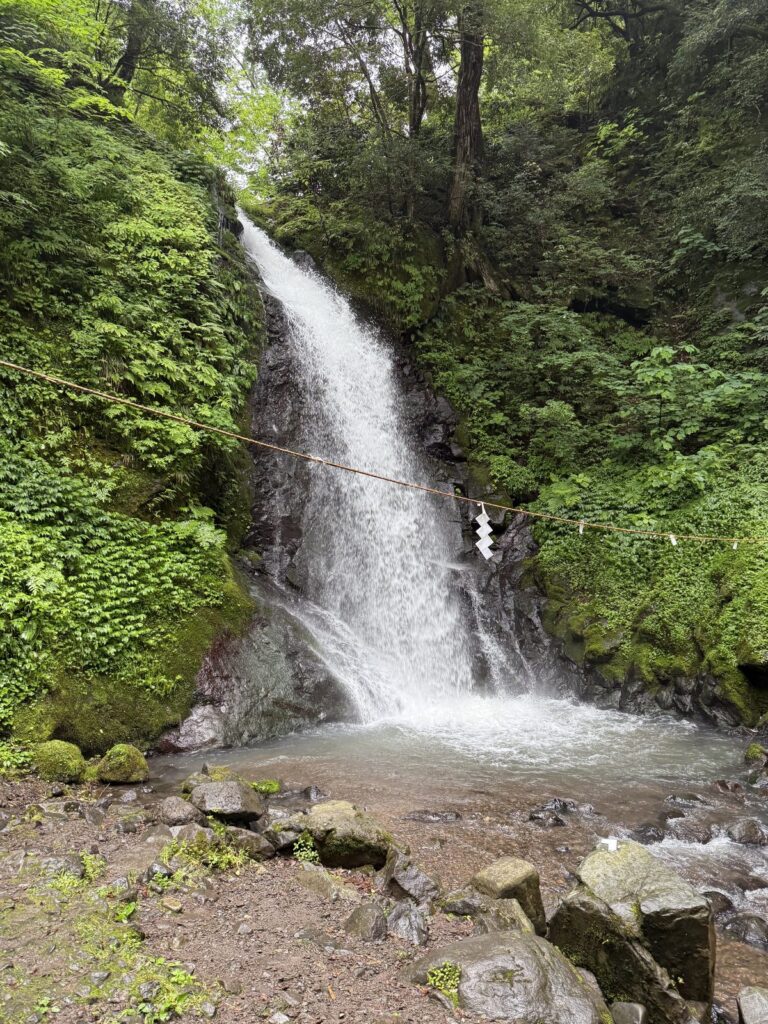
Our chairman Kiyoshi Kishida and our director Ichio Yamazaki appeared on NHK’s Rekishi Tantei (History Detectives), broadcast on NHK General on Wednesday 15 July 2026. On the programme they discussed the swordsman Seigen Toda and his connections with the Asakura family and with Sasaki Kojiro; Seigenji Temple, Toda’s family temple; and Ichijo Falls, where Kojiro is said to have devised his secret technique, Tsubame-gaeshi (the swallow counter).
The theme of the episode was “Musashi Miyamoto: the truth behind the legend of the strongest”. Writers, classical martial artists and sports analysts each approached the question of just how strong Musashi really was. The programme also investigated his rival Sasaki Kojiro in depth, taking in the swordsman Seigen Toda, said to have been Kojiro’s teacher, and Ichijodani and Ichijo Falls, both associated with Kojiro.
Where Tsubame-gaeshi was born: Ichijo Falls
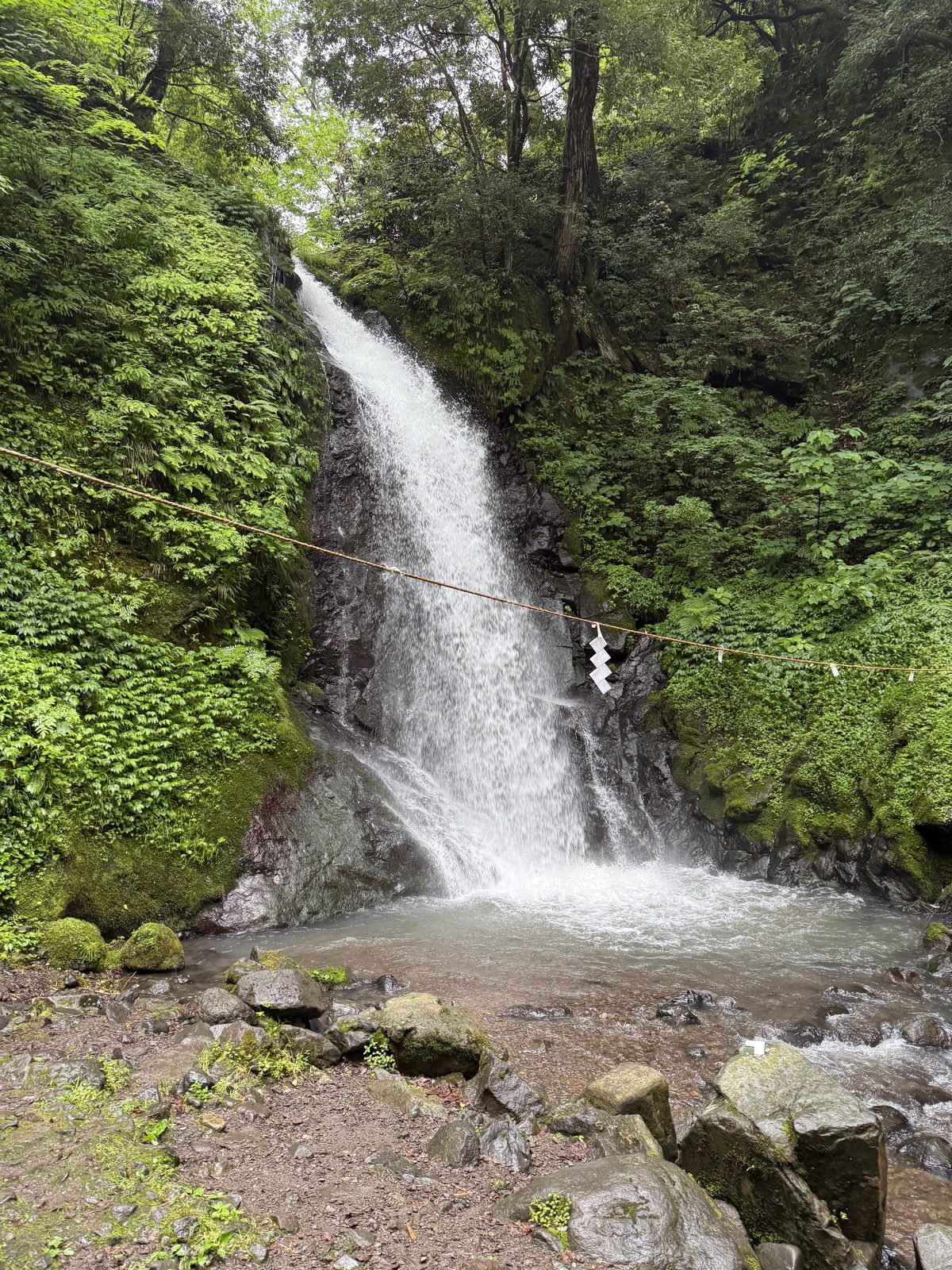
Ichijo Falls, a 17-metre drop, lies upstream on the Ichijodani river, which runs through the Asakura family ruins. It is known as the place where the priest Taicho enshrined Hakusan Daigongen and founded Jokyoji Temple, and it is also said to be where Sasaki Kojiro devised his secret technique, Tsubame-gaeshi (the swallow counter). In this broadcast we told the story of how Kojiro is said to have devised Tsubame-gaeshi, from the falls themselves.
The falls are open to visitors and free to enter. From JR Fukui Station, take the Keifuku bus bound for Jokyoji to the last stop, Jokyoji, then walk for 20 minutes. By car it is about 15 minutes from the Fukui interchange on the Hokuriku Expressway, and there is a car park.
The swordsman Ichijodani raised: Seigen Toda
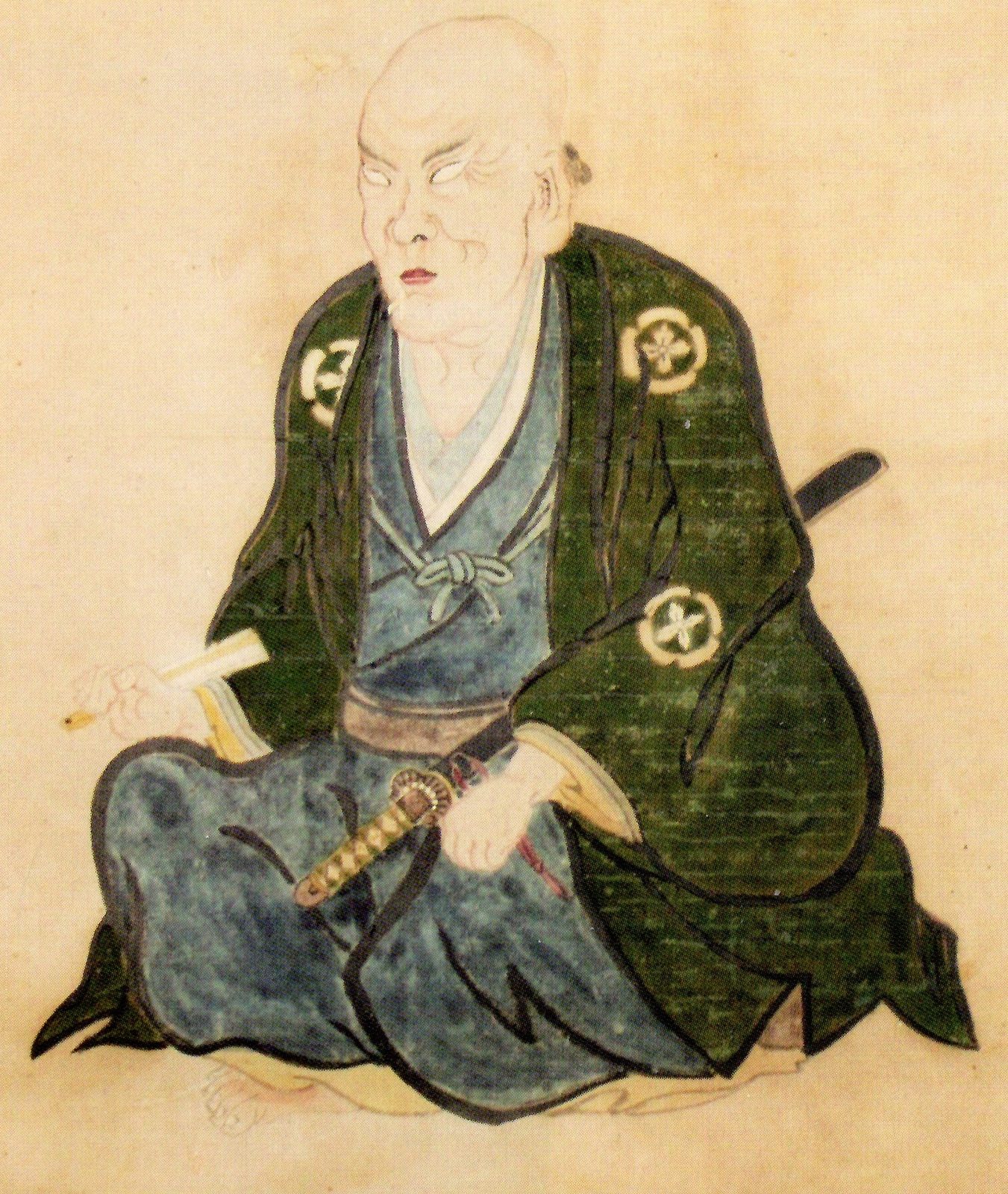
Seigen Toda was a swordsman who served the Asakura family at Ichijodani during the Sengoku period. Known as a master of the Chujo school (also called the Toda school), he suffered from an eye complaint and was all but blind. Even so, when Yoshitatsu Saito of Mino, son of Dosan Saito, asked it of him, he fought a bout against a master of the Shinto school named Umezu — and, so the story goes, defeated an opponent wielding a large wooden sword using nothing more than a piece of firewood, some 40 centimetres long, that happened to be to hand.
From his school came swordsmen such as his younger brother Kagemasa Toda, who taught swordsmanship to Hidetsugu Toyotomi; Jisai Kanemaki, teacher of Ittosai Ito, founder of the Itto school; and Kaginosuke Kawasaki, founder of the Togun school. The Nitenki, a biography of Musashi Miyamoto, makes Seigen the teacher of Sasaki Kojiro (though by another account Kojiro studied under Seigen’s pupil Jisai Kanemaki).
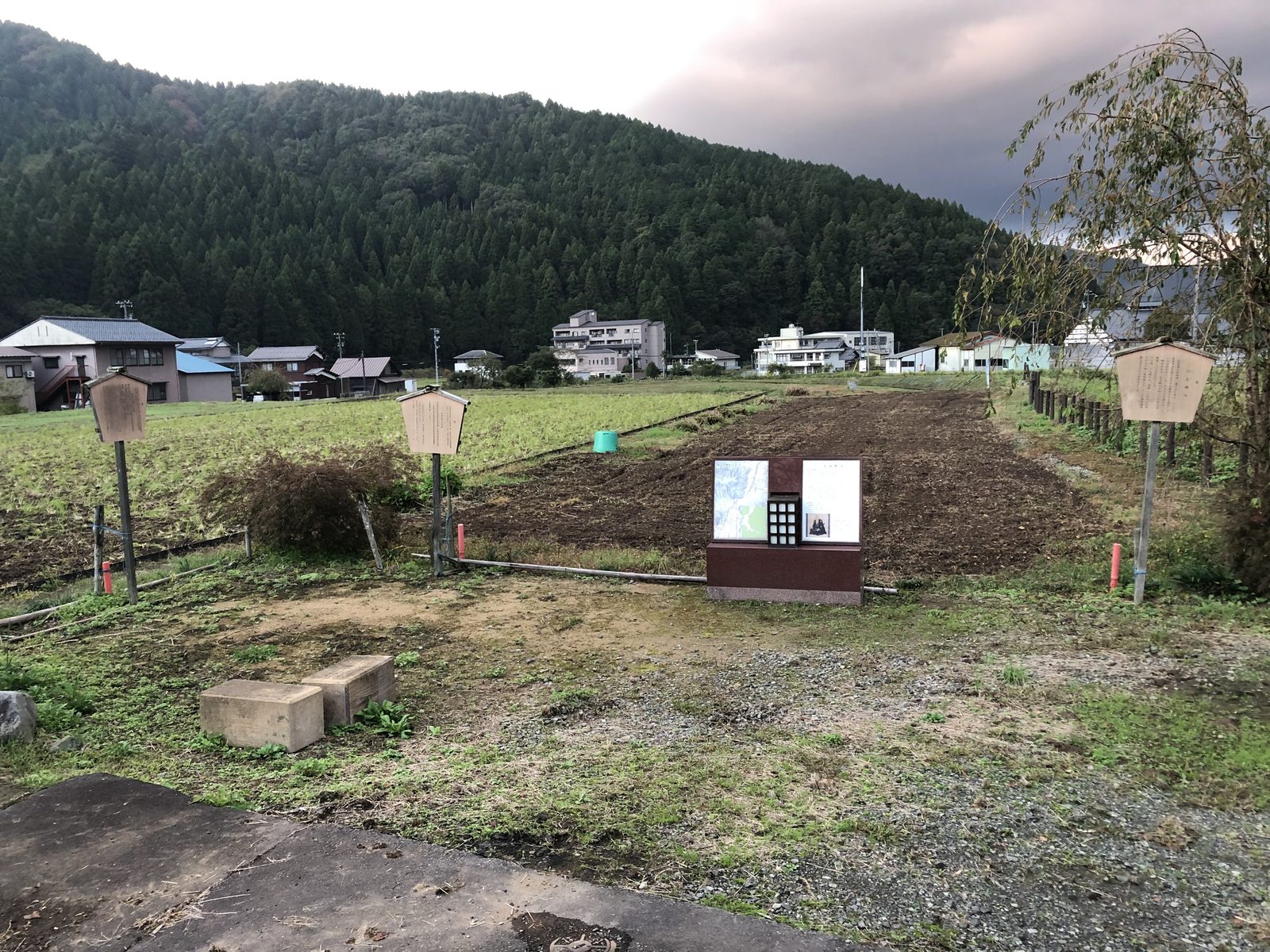
The site of Seigen Toda’s training hall still stands at Ichijodani, in Nishishin-machi, Fukui City, next to Shinmei Shrine; Seigenji Temple, his family temple, is nearby; and the Ichijodani river is crossed by Seigen Bridge, which bears his name. Visit them together with the Ichijodani Asakura Family Historic Ruins and you can follow, within a single valley, both the story of a Sengoku castle town and the stories of the swordsmen who lived there.
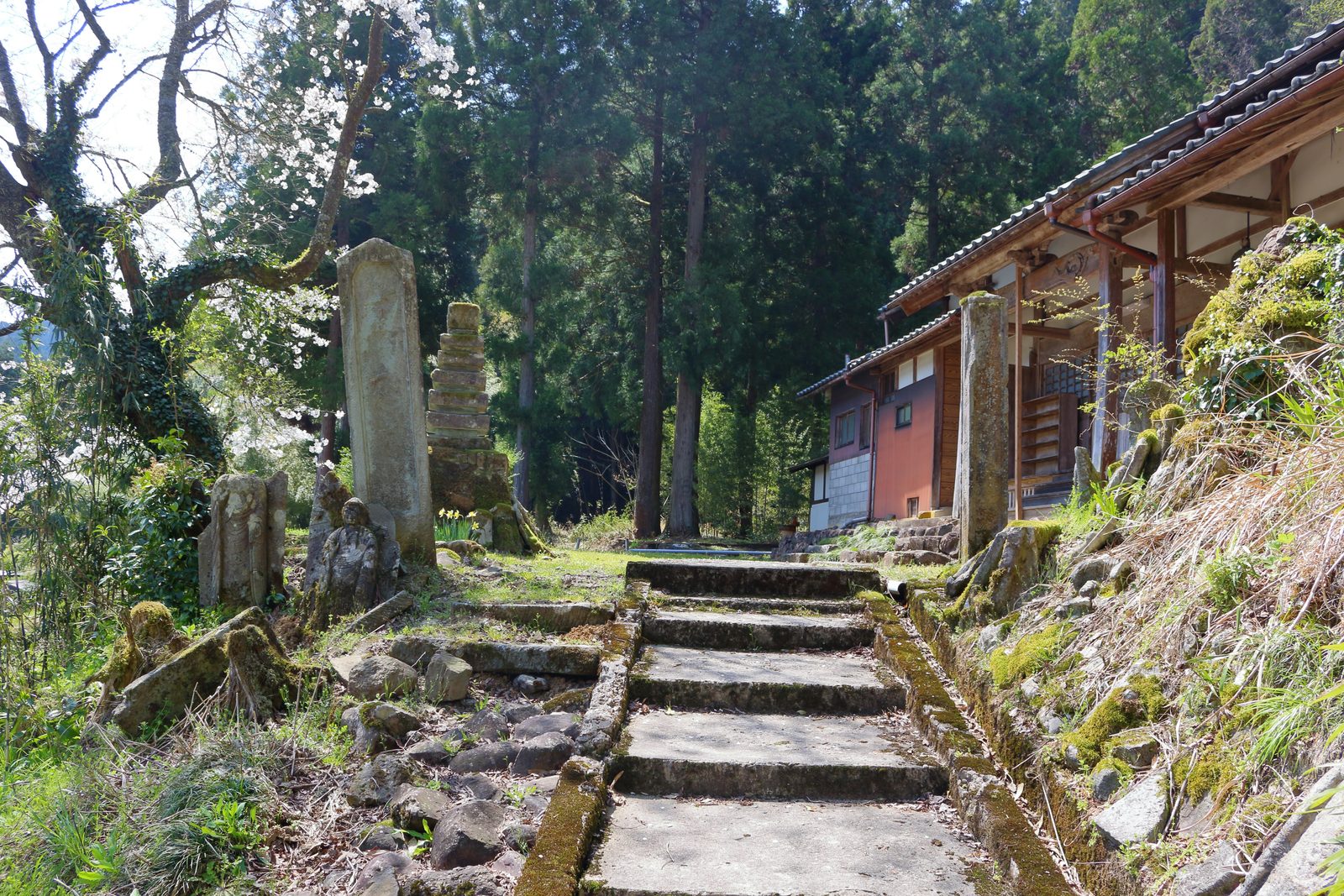
Programme information
- Programme: Rekishi Tantei (History Detectives), “Musashi Miyamoto: the truth behind the legend of the strongest”
- Broadcast: NHK General, Wednesday 15 July 2026, 22:00 to 22:45
- Repeat: Monday 20 July 2026, 23:50 to 00:35
Watch here
Full details of the programme, and the stream, are available on the official NHK website (in Japanese).
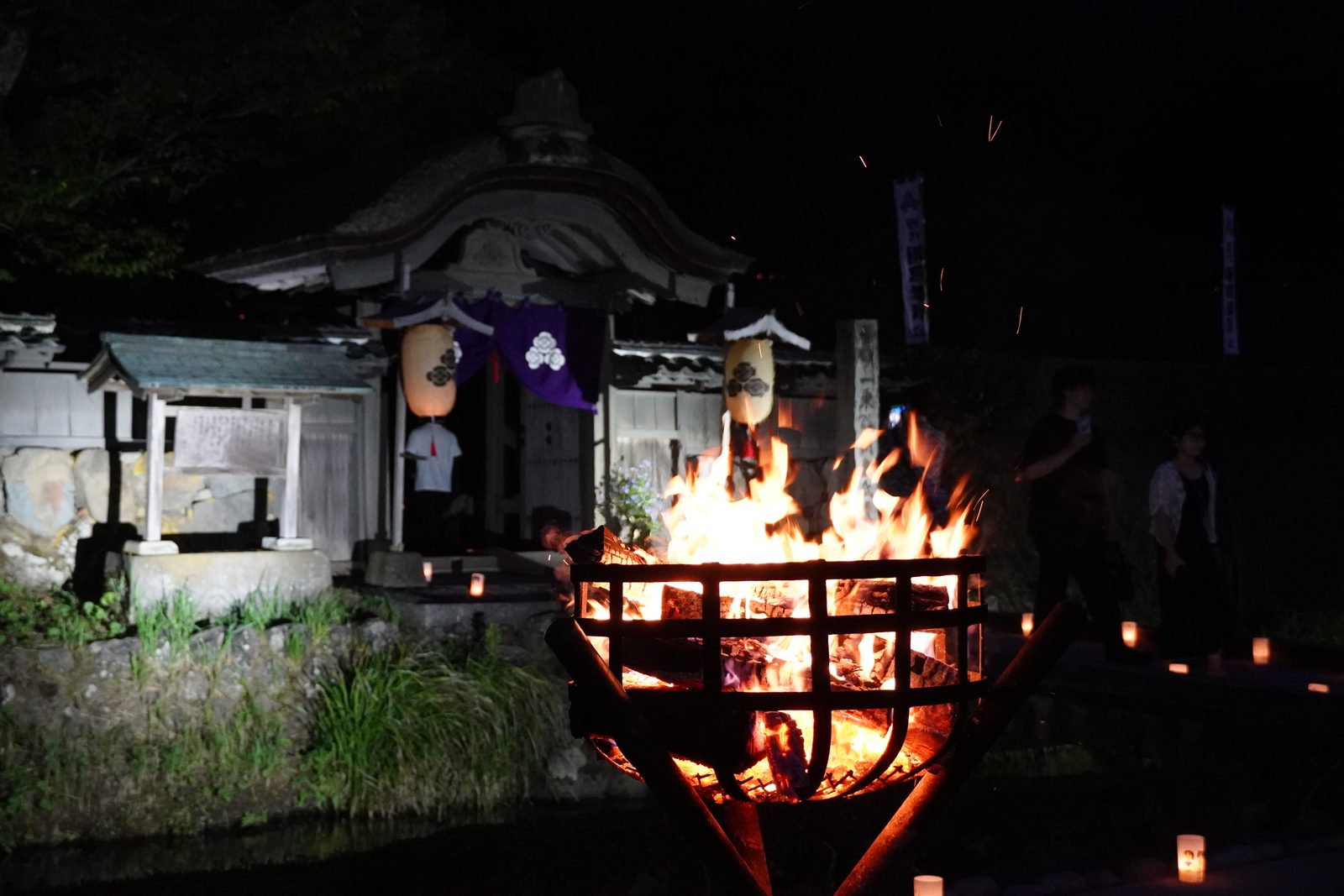
Ichijodani was the castle town of five generations of the Asakura family, and it was also a place that nurtured great swordsmen. Creative ASUWA will go on sharing these many facets of Ichijodani, and go on working towards inscription of the Ichijodani Asakura Family Historic Ruins as a World Heritage Site.